Yes, I fully realize that it’s been over 3 years since I updated here, but one of my resolutions is to start writing more, better content. So here we are. However, the first post I write in 2024 is going to be a commercial: here are some opportunities to train with me in 2024.
The first is a combo CCW/Snub revolver class at Homestead Training Center, February 17-18. Here’s some info on the class:
Two Day Concealed Carry Skills Development Course
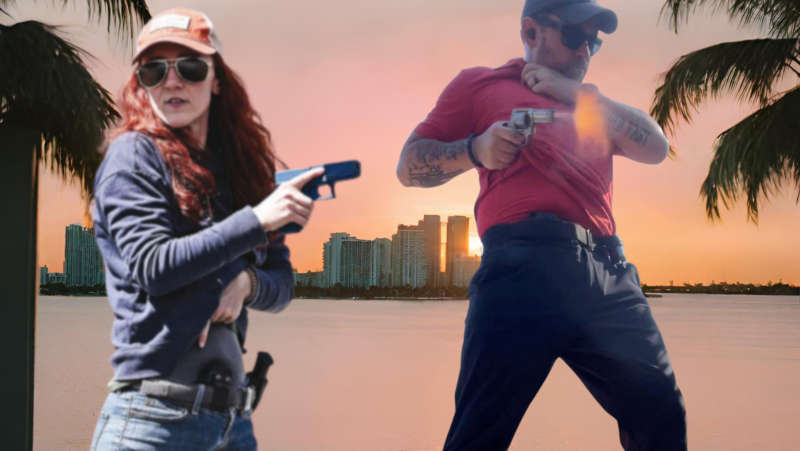
Come train with Melody Lauer and Caleb Giddings as CDR offers its first ever CCW Skills Course, which consists of two days of training built around the student’s needs. Students can sign up for either day of training or both days!
Day 1: Concealed Carry Skills ($300)
Learn to run your concealed carry handgun from one of the best diagnostic instructors in the game. CCW Skills is a comprehensive course designed to equip individuals with the knowledge and proficiency needed for responsible concealed carry. In this dynamic class, students will delve into essential aspects of firearm safety, marksmanship, and legal considerations to foster a well-rounded understanding of concealed carry. Topics include but are not limited to: Drawing from concealment, reloading the gun under duress, strong and weak hand only shooting, the use of cover, and more!
Day 2: Small Revolver Skills ($300)
Training Day 2 focuses on the skills specific to operating a small frame revolver as a primary or backup concealed carry gun. This 8 hour block of instruction will cover topics ranging from concealment options/positions such as AIWB, traditional IWB, pocket carry, off-body carry, and more. The courses of fire focus on practical uses of the small revolver from concealment, and is taught by ICORE and IDPA Revolver Master class shooter Caleb Giddings.Book Both Training Days and Save ($500)
Again, you can sign up for this class at this link.
The next will be the Taurus Handgun Experience, but more details on this are coming soon.
The last one for the year will be my full, two day Fundamental Revolver Skills course in Terre Haute, Indiana on July 13-14. This is my flagship training course, and is a fairly significant deep dive into the world of high level revolver shooting. Tickets are available at the link above, and so far everyone who’s come out has had a great time and learned a lot.
As far as writing, you can definitely look for more content from me on that front.